San Diego’s fashion scene is more than just beachwear; it’s a dynamic blend of vintage revival, cross-border cultural influence and evolving local identity. By examining and analyzing where people shop, what trends dominate and how Latin and Central American styles shape the region, this story will connect San Diego’s current fashion landscape to its historical roots while comparing it to other global style hubs. Ultimately, it explains why San Diego’s style stands apart and how trends migrate between geographical locations and cultures.
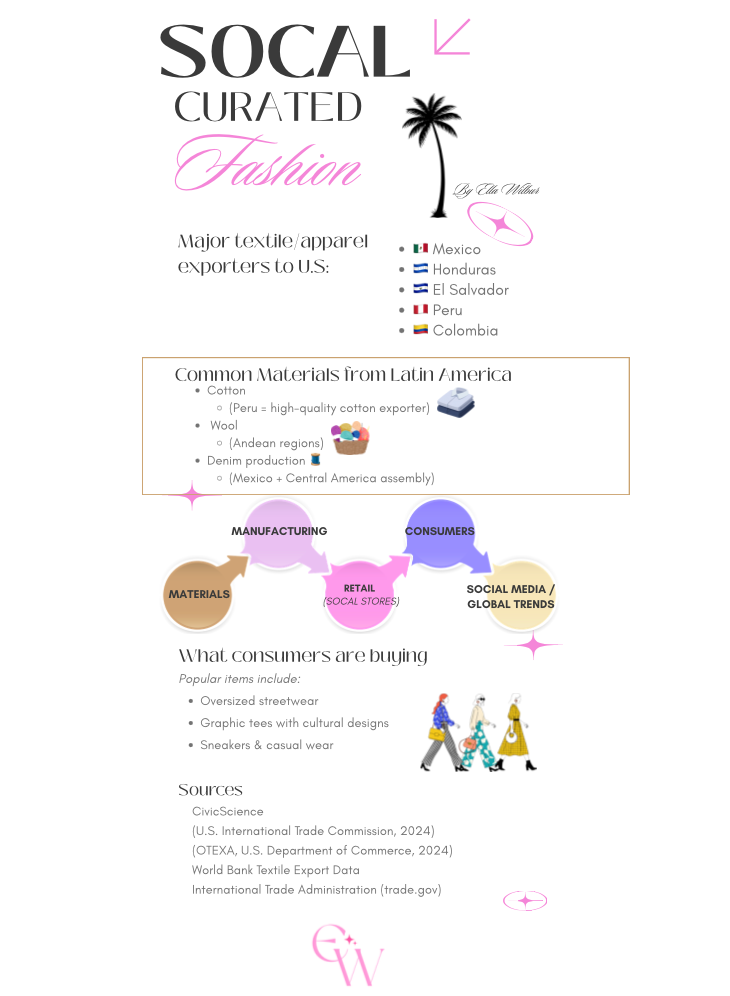
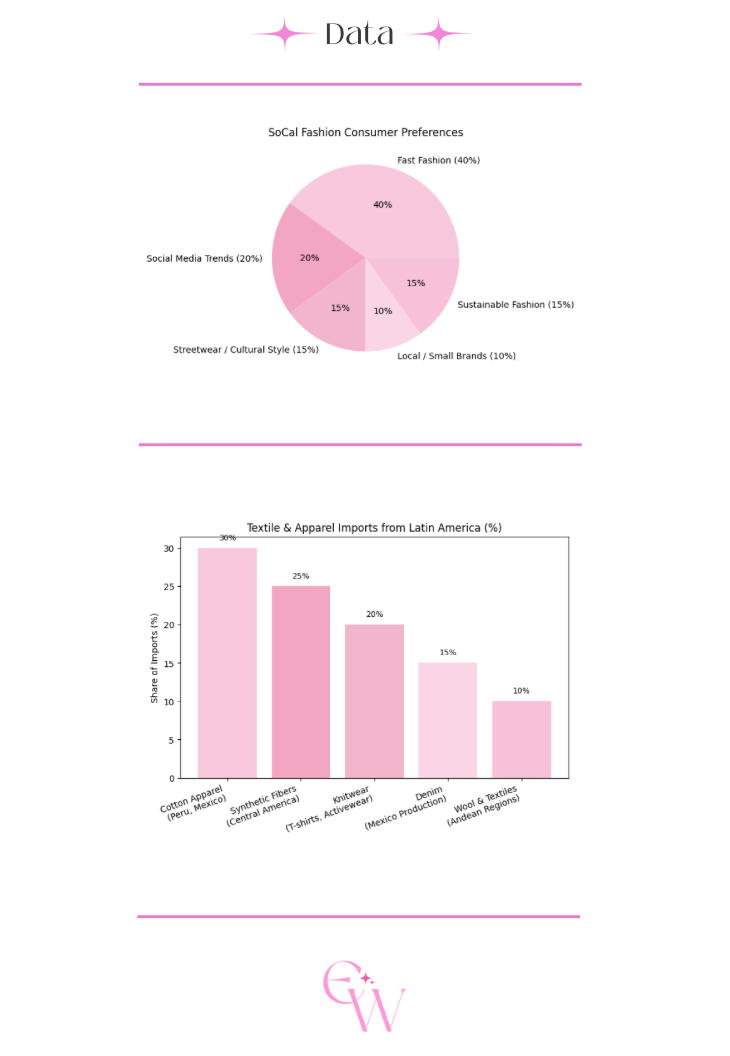
Imported textiles and apparel from Central and Latin America are shipped to California every day. Below is my infographic detailing the specific materials and what consumers are buying.
I visited La Loupe Vintage and Day-to-Day Collective, both popular thrift and vintage-wear stores in San Diego. Part of visiting these stores is discovering how retail owners cultivate the brands and clothing items they want to sell and how fashion trends are managed. Both stores have good insight into customer consistency, selections, and particular looks that contribute to the brand’s authenticity.
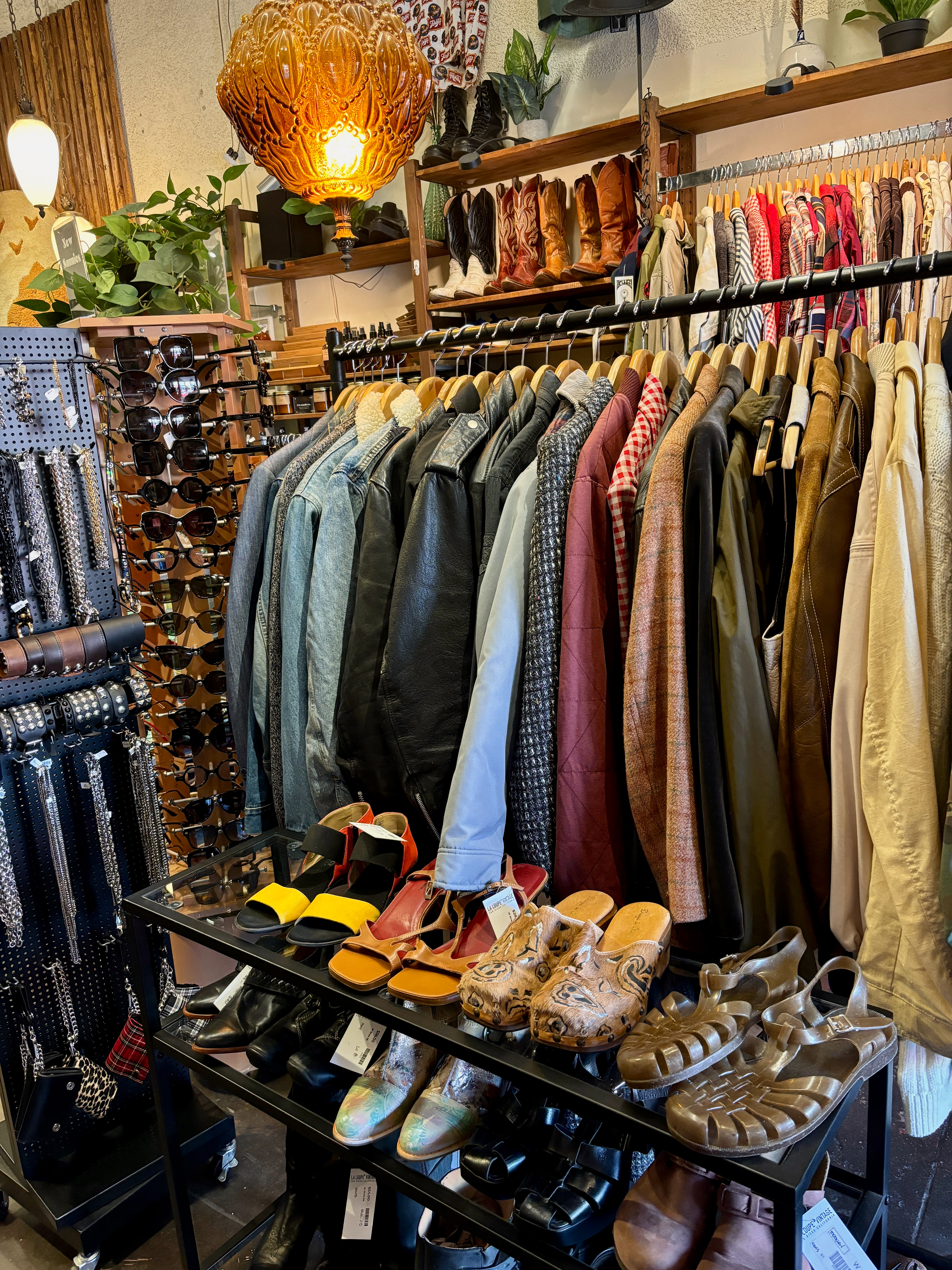
Patrice, who works at Day-To-Day collective, explained how social media and online reselling play a key role in showcasing fashion trends within the store.
"A lot of the people who work here, we sell online with Depop or vintage flea markets, and we get all our inventory out and gauge what people are buying more of, and what people are willing to spend more on."
Vintage shop inventory is typically sourced through bulk channels such as rag houses, thrift overstock, estate sales and wholesalers, where retailers then curate and select higher-quality pieces for resale (Filthy Rebena Vintage).
"Especially for this store, we'll see what is selling here and what types of T-shirts and what kinds of womenswear are selling, and observe what most people are interested in."
A good amount of the inventory at Day-to-Day Collective comes from swap meets, estate sales, and some people donate vintage-specific clothing or even advertise to make connections.
Universal trends that appear the most in the store include workwear, true vintage, and LA streetwear.
"A lot of our fashion trends come from the East Coast and the West Coast; a trend starts at one place and moves back and forth between the two.”
A common understanding and reason to love vintage fashion is the originality of the piece.
"You find something you really like, and you know you're not going to find it anywhere else. It's very easy to create your own style with vintage," said Patrice.
Vintage fashion has always been appreciated, as we constantly rotate through decades past trends. Fashion trends are cyclical, with styles rising, declining, and eventually re-emerging over time, often following a widely recognized “20-year cycle” in which past decades are revived and reused for modern-day audiences (Sproles).
When asked by W Magazine about the popularity of vintage fashion, Johnny Valencia, founder of Pechuga Vintage in Los Angeles, said nostalgia creates a sense of belonging and noted that vintage has become so influential that even fast fashion brands are attempting to replicate it (W Magazine).
Above is my social media component on Kobey's swap meet, which is a weekend-long flea market for clothing, jewelry, furniture, plants, etc. It was modeled after the Phoenix Park N Swap, growing from 13 sellers to over 1,000, becoming a top local tourist attraction.
I thought showing Kobey's swap meet was important for this story, as it highlights a top thrift spot for locals and tourists.
STROLL Boutique
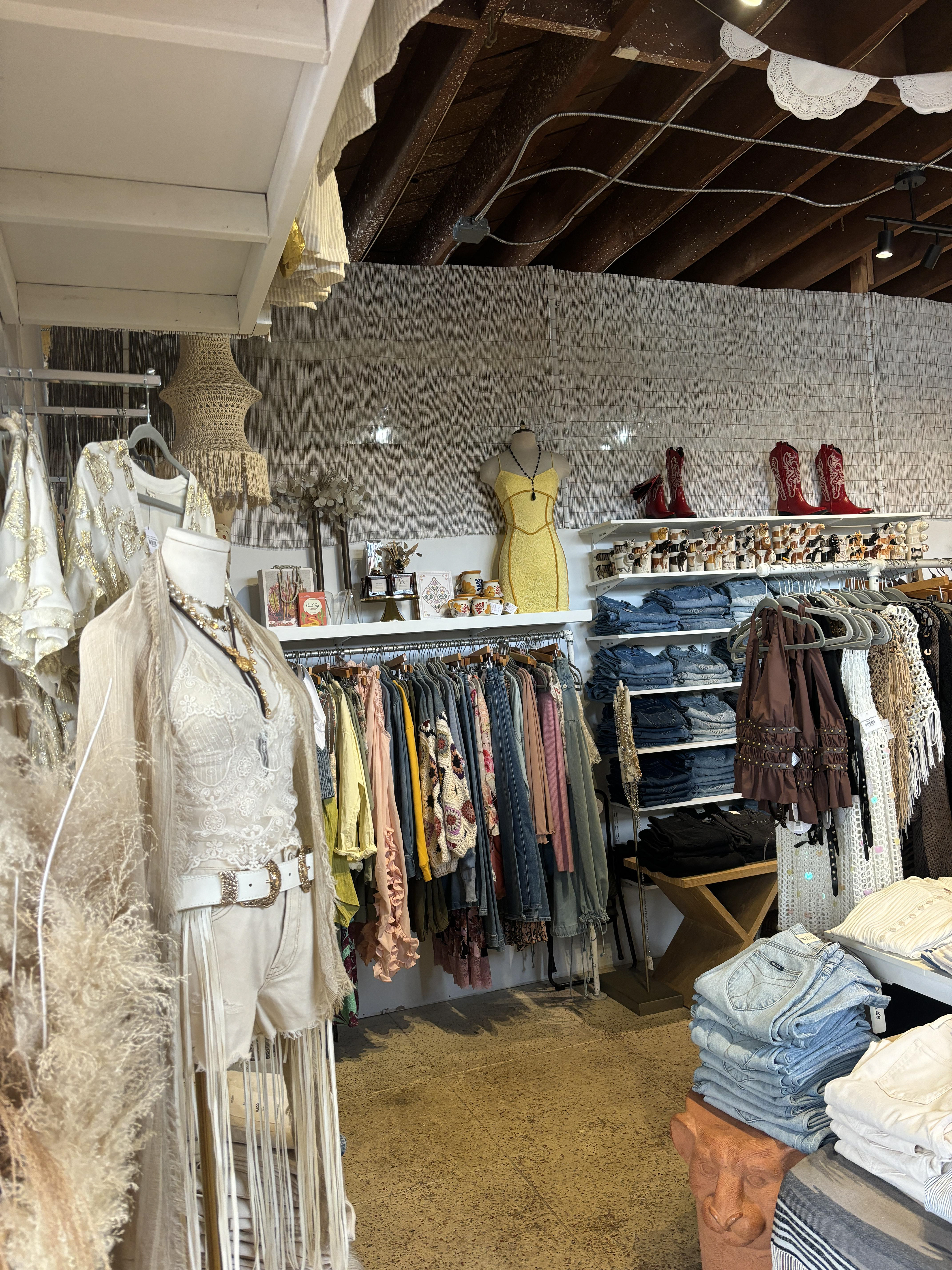
Another vintage and curated fashion store I checked out was "Stroll," located in Little Italy. The store reflects a hybrid retail model that blends accessibility with trend-driven curation. Karla Vega, the store manager, has been working for Stroll for three years and has observed a noticeable shift toward a younger customer base. Understanding your audience and how to manage changing interests is a key component of store management.
"Dabbling into Pinterest and Vogue and reading what's hot, and what's not, there's trends, there's fads, and then there's staples."
"With the current festival season going on, there's a lot of pashminas, beadwork, so we pick from Pinterest, our personal style and selling history."
This approach highlights how curated vintage shops are not just reselling clothing but actively interpreting fashion cycles and consumer behavior.
When it comes to inventory, Vega said, “Our vendors come from everywhere—we have Milio Milano from Italy, we have brands that come from overseas, and then we have local.” This mix of global and local sourcing reflects a broader transnational approach that aligns closely with Latin fashion culture, which often blends international influences with deeply rooted cultural traditions.
Noting how specific design elements shape the store’s curated aesthetic, she pointed to “a lot of patchwork, fringe, and tassels,” physically highlighting a colorful crochet beaded sweater as an example.
These details are important in understanding stylistic markers commonly associated with Latin and artisanal fashion, where detailing, texture, and vibrant expression play a central role. By incorporating these stylistic elements into its inventory, Stroll is not only responding to current trends but also reflecting the cultural influences of its surrounding community in San Diego.
When it comes to vintage and reused clothing, "it has another chance to live a different story," said Vega. This resonates not only with sustainability but also allows customers to create their own style with something that was possibly used in a completely different way.
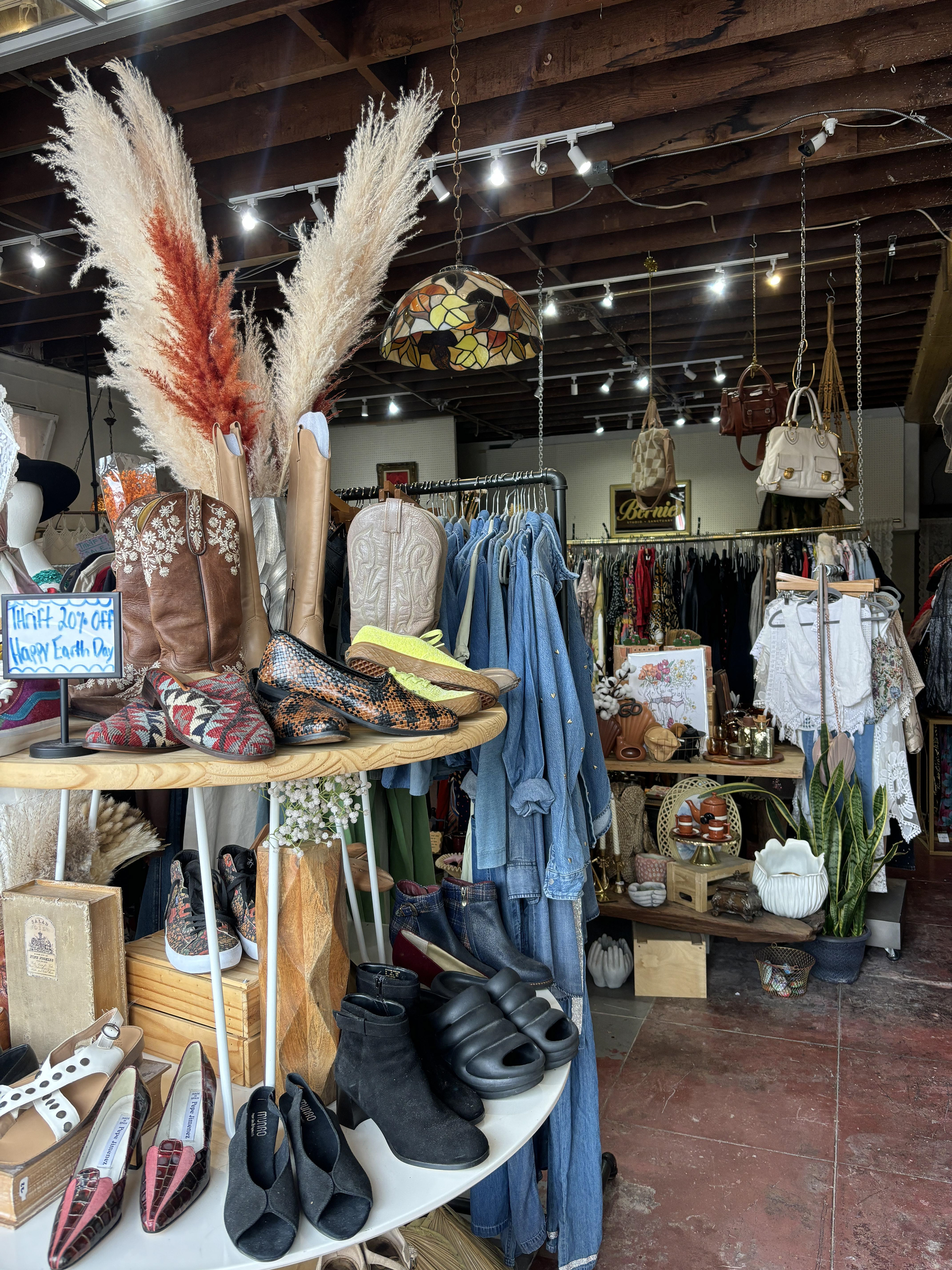
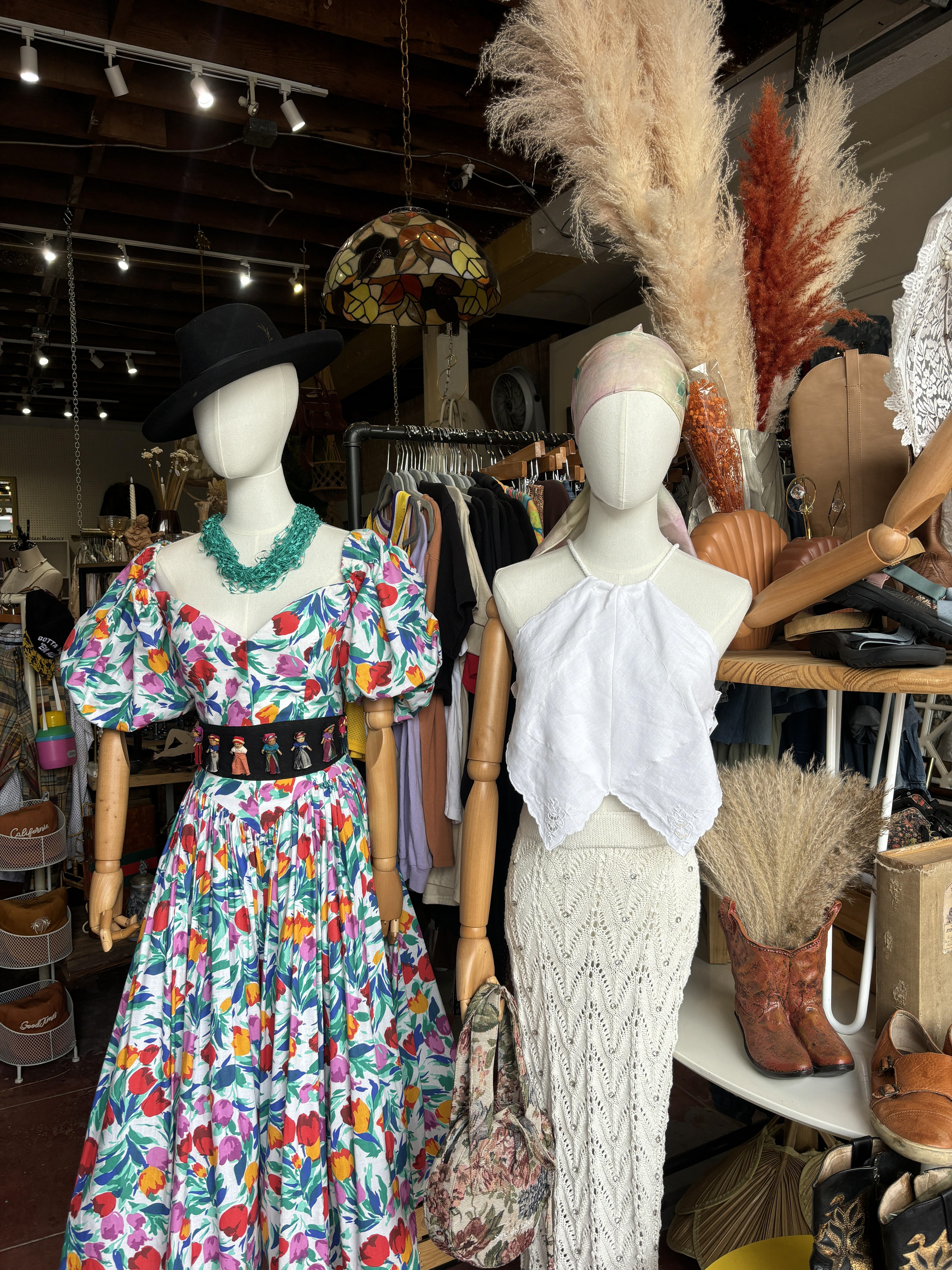
Overall, San Diego's fashion scene stands out because it operates at the intersection of circulation, culture, and curation. From rag houses and resale platforms to boutique storefronts and global vendors, clothing is constantly moving across regions, across decades, and across identities.
What I have learned more about through this story is that there is no specific dominant style. Layered aesthetic shaped by East and West Coast trend exchange, Latin and Central American cultural influence, and the growing demand for individuality through vintage.
Through time, we will continue to see these fashion trends in San Diego to evolve as a hybrid model, where it is rooted in history, driven by community, and defined by its ability to blend cultures into something distinctly its own.